The Hunt for Survival in Africa’s Wild
Africa is a land of fierce competition.
Its landscapes are home to some of the most powerful predators on Earth.
These hunters sit at the top of the food chain, shaping ecosystems with every kill.
From the speed of a cheetah to the bite of a crocodile, each predator has evolved to dominate.
Let’s explore the biggest and most fearsome carnivores of the African wilderness.
Why Africa Has the Most Iconic Predators
Africa’s ecosystems—from open savannas to dense jungles—support an incredible range of prey.
This abundance has led to the evolution of powerful predators that specialize in hunting everything from antelope to buffalo.
Many African predators are not only large—they’re also highly intelligent and strategic.
1. Lion – The King of the African Plains
- Scientific name: Panthera leo
- Weight: Up to 250 kg (550 lbs)
- Habitat: Savannas, grasslands, woodlands
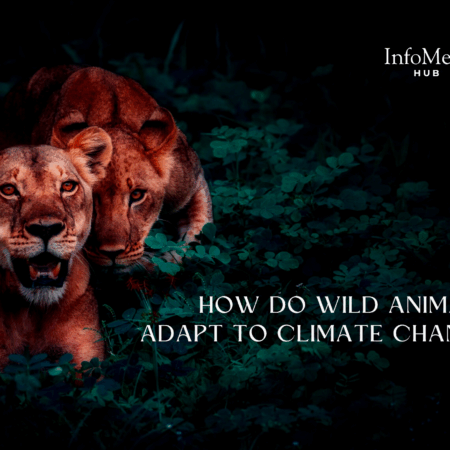
Lions are Africa’s most iconic predators.
They are the only big cats that live and hunt in groups—called prides.
Working as a team, lions can bring down massive prey such as zebras, wildebeests, and even adult buffalos.
Males protect territory while females do most of the hunting.
Their roar can be heard from 8 km away, warning rivals and uniting the pride.
Nile Crocodile – The Silent Ambush Killer
- Scientific name: Crocodylus niloticus
- Length: Up to 6 meters (20 feet)
- Habitat: Rivers, lakes, swamps
The Nile crocodile is Africa’s largest reptile and one of the most efficient ambush predators in the world.
It waits motionless beneath the water’s surface, then explodes into action to seize unsuspecting prey.
Crocodiles eat fish, birds, antelope, and even large mammals.
Their bite is one of the most powerful in the animal kingdom.
Leopard – The Stealthy Solo Assassin
- Scientific name: Panthera pardus
- Weight: Up to 90 kg (200 lbs)
- Habitat: Forests, savannas, rocky outcrops
Leopards are solitary, elusive, and incredibly strong for their size.
They often drag their prey up trees to keep it away from scavengers.
Leopards are expert ambush hunters and can adapt to almost any environment.
They hunt antelope, monkeys, birds, and even domestic livestock in areas near human settlements.
African Wild Dog – The Pack Hunter
- Scientific name: Lycaon pictus
- Weight: Up to 30 kg (66 lbs)
- Habitat: Woodlands, savannas
Also known as painted wolves, African wild dogs are among the most effective hunters in the animal kingdom.
They hunt in tightly coordinated packs with success rates of over 80%.
Using teamwork, communication, and endurance, they can bring down prey much larger than themselves.
Cheetah – The Fastest Predator on Land
- Scientific name: Acinonyx jubatus
- Speed: Up to 112 km/h (70 mph)
- Habitat: Open plains, grasslands
Cheetahs are built for speed, not power.
They hunt alone or in small family groups, targeting gazelles and small antelopes.
A typical hunt lasts less than a minute, with a breathtaking sprint followed by a suffocating bite.
Though fast, cheetahs lose kills often to stronger predators like lions or hyenas.
Other Noteworthy Predators in Africa
While not as large, these hunters play important roles:
Spotted Hyena
- Known for their bone-crushing jaws and group hunting strategy.
- Not just scavengers—often hunt in packs and steal prey from others.
Martial Eagle
- Africa’s largest eagle; can hunt monkeys and small antelope.
- Uses stealth and precision from the skies.
African Rock Python
- One of the largest snakes in the world.
- Constricts its prey, which includes antelope and sometimes crocodiles.
Role of Predators in the Ecosystem
Predators regulate prey populations, prevent overgrazing, and strengthen genetic diversity.
Without them, ecosystems can collapse due to imbalances in species numbers.
Conservation Status and Threats
Many of Africa’s top predators are under threat:
- Lions have lost 90% of their historic range.
- African wild dogs are endangered due to habitat loss and disease.
- Leopards and cheetahs face poaching and conflict with farmers.
Protecting these predators means preserving entire ecosystems.
Africa’s Predators Are Powerful, but Vulnerable
The biggest predators in Africa are not just hunters—they are keystone species.
They maintain balance and inspire awe in anyone lucky enough to see them in the wild.
But their survival depends on our willingness to protect their habitats and reduce human conflict.
Knowing these animals is the first step toward ensuring they continue to roam Africa’s wild places.
Follow US un X

For Marketing Please Contact Us